Things That Will Leave You Amazed …
What makes a journey truly exceptional, beyond the quest for escape and discovery, is the personal enrichment gained through cultural and human exchange. It is therefore hardly surprising when you arrive in a country to observe customs and traditions with fresh, even questioning eyes. Here are some observations that will astound you.
Nov 06, 2015 What makes a journey truly exceptional, beyond the quest for escape and discovery, is the personal enrichment gained through cultural and human exchange. It is therefore hardly surprising when you arrive in a country to observe customs and traditions with fresh, even questioning eyes. Here are some observations that will astound you.
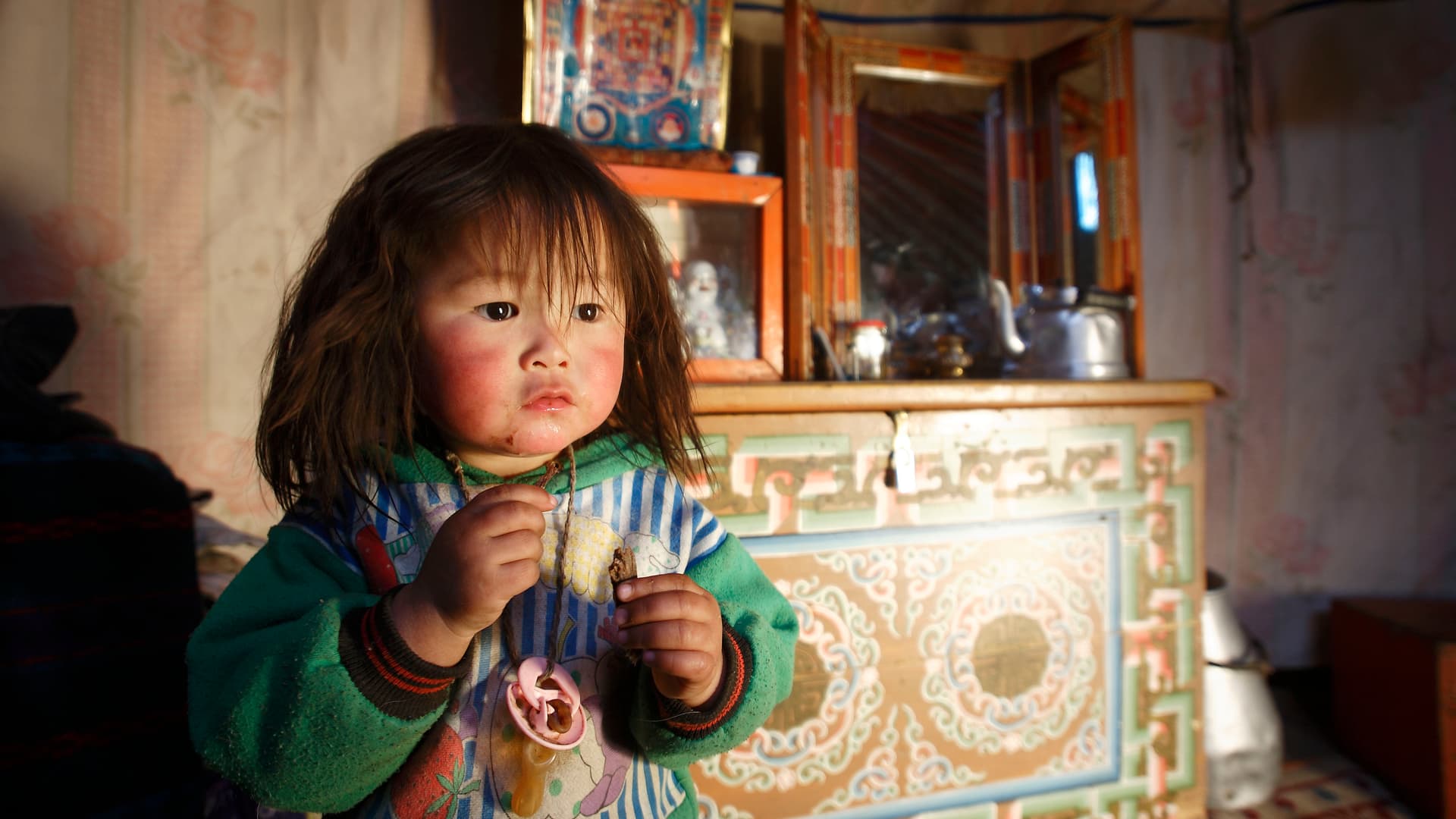
The Mongolian Pacifier
This small object, crafted to soothe the little one, plays a particularly unique role early on in a child's development, much to the relief of parents who can rely on the soothing benefits brought by the famous and indispensable pacifier. These retail chains, having managed to penetrate our daily lives and make us dependent on all this baby gear—artifacts of the 21st century—make us forget the simplicity of things. Let's take a lesson from our Mongolian friends, who, far out in the steppes, sheltered from this commercial cacophony, see their children grow up in simplicity, making use of what surrounds them. There in the yurt, you'll find them sucking on a small piece of mutton fat, deemed beneficial for their growth and nourishment. Unconventional, you might say?
The Veneration of Genghis Khan
Imagine France with Charlemagne Energy Drinks, or a Clovis Cinema? Well, you'll be astonished to find beers, energy drinks, hotels, public squares, and even an airport bearing the name of the glorious king of all times. As some describe him—the king of the world and his era—you no doubt know who I'm talking about: Genghis Khan. This veneration bestowed upon this famous figure reflects the pride of the Mongolian people in their past exploits. Thus, during your visit, you'll land at Genghis Khan International Airport, then you'll visit the central Genghis Khan Square, where you can enjoy a good beer... Genghis Khan.
A debate was launched a few years ago to question precisely this excessive use of the name of this towering figure for commercial purposes. A draft law was proposed so that the government could have control over the name, by imposing a tax when filing the Genghis Khan trademark.
The Vodka Ritual
I'll admit that vodka is virtually omnipresent in Eastern European countries. So I offer this small description to anyone with a very low tolerance for this drink and planning to visit the country. You should know that vodka is, besides airag (fermented mare's milk), the quintessential beverage of Mongolians. It is customary to offer your guests a glass of vodka as a welcoming gesture. At the first sip, you're relieved to have swallowed it in one gulp, but don't celebrate too quickly—two more are coming. Indeed, here it's the ritual of three. First, the eldest among you will be served, and the glass will make three rounds through the audience, with a small refill each time. And yes, we can't have you missing out. For women, a possible escape would be to claim you're pregnant, at the risk of causing confusion among your friends.
I had the opportunity to attend a Mongolian wedding, where friends come to visit the newlyweds in their new home to celebrate the joyful occasion. Beyond the abundant food generously served, I must confess I've never drunk as much Martini in my life. Indeed, as soon as your glass is empty, your new host will be delighted to refill it. Conviviality is thus sought above all, through sharing and the good spirits generated.
The Boodog: Traditional Mongolian Barbecue
As soon as the term barbecue is mentioned, you'll think of our famous summer grillades. Well, think again—here among the Mongolians, the vision is quite different!
As mentioned in our practical guide, there are two types of barbecue: Khorkhog and boodog. I'll focus on the latter given my recent experience. Autumn is the ideal season for marmot, so if you visit us in mid-September, there's a good chance you'll taste it during your stay with our families. It will be cooked in the traditional manner—first gutted, then stuffed with vegetables such as carrots, potatoes, and onions, all the while being augmented with hot stones, allowing the meat to cook from inside the animal. After a good hour of cooking, you can sit down to eat. This uncommon process imparts a particular flavor to the meat that will make you want to go back for more.
You'll be told, once cooking is done, to take the still-hot stones in your hands, as the heat generated is said to be beneficial for maintaining good health.
Charlène NomdaysAs Nomadays' pioneering SEO writer from the very beginning, Charlène has evolved into content manager and head of communications, accompanying the adventure with passion and devotion since its inception. After spending seven years in Asia—from China to Thailand, passing through Mongolia and South Korea—she has made travel her way of being in the world. A lover of words, nature, and human encounters, she strives to convey in her texts a sensitive, engaged, and responsible vision of tourism. For her, each article is a bridge between curiosity, respect, and wonder.